Host-Pathogen Interaction Center



Our Mission and Vision
Discover Our Purpose
Our work focuses on clinically relevant pathogenic Candida species (C. albicans, C. parapsilosis, and C. auris), which pose a growing healthcare threat due to their eukaryotic nature, leading to high rates of persistent and recurrent infections, particularly in immunocompromised patients. Global candidiasis incidence exceeds 750,000 cases annually, with associated mortality ranging from 46-70%.
Our primary objective is to identify critical fungal virulence factors driving infection stages, including adhesion, colonization, biofilm formation, and tissue penetration (invasive candidiasis/candidemia). The identification of central virulence factors aims to facilitate the development of novel, alternative therapeutic strategies.
We employ a multidisciplinary approach, utilizing various in vitro models - including human and murine immune cells (PMNs, monocytes, macrophages) and barrier cells (keratinocytes, mucosal epithelium) - to investigate antifungal host responses. These studies are complemented by diverse in vivo models, such as Galleria mellonella, Drosophila melanogaster, and specialized murine models (Mus musculus), enabling the comprehensive analysis of innate cellular and humoral immunity.
Complex Study of Host-Pathogen Interactions
Host side
Investigation of cell-cell interactions
between oral tumors and pathogenic fungi
Examination of "trained" immunity in epithelial barriers
Immunoregulation of monocytes by Candida sp.
Development of an antifungal mRNA vaccine
Complex Study of Host-Pathogen Interactions
Pathogen side
Investigation of the temperature tolerance of Candida parapsilosis
The role of extracellular vesicles in tumor-yeast
interactions
The role of extracellular vesicles in fungus-bacteria interactions



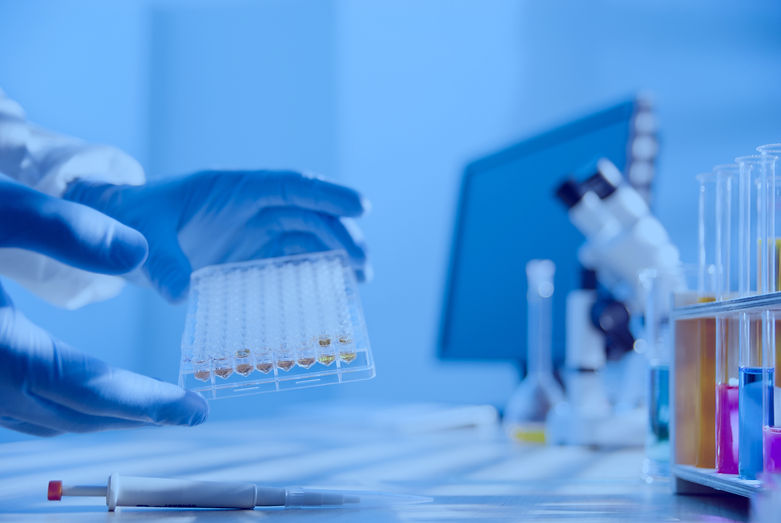
Dedicated to advancing pathogen research through innovative approaches and international collaborations.
Voices of Progress and Innovation
Global and National Partners


The Team
Dedication. Expertise. Passion.


Head
Prof. Dr. Attila Gácser
gacsera(@)bio.u-szeged.hu

Research Associate
Dr. Tibor Németh
nemeth.tibor(@)bio.u-szeged.hu

Research Associate
Dr. Renáta Tóth
toth.renata.02(@)szte.hu
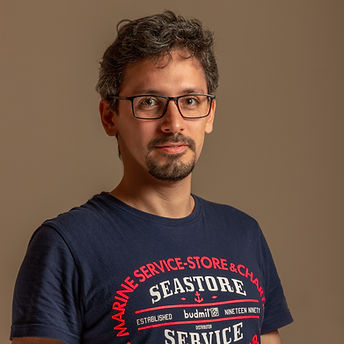
Research Associate
Dr. Csaba Papp
papp.csaba.gergo(@)szte.hu

Research Associate
Dr. Dóra Adamecz
doraadamecz(@)gmail.com

Lab Manager
Judit Szenzenstein
szenzenstein.judit(@)szte.hu

PhD Student
Florabelle Cabarrubias
cabarrubias.florabelle(@)gmail.com

PhD Student
Máté Csikós
mate1260(@)gmail.com

PhD Student
Dominika Flaisz
dominikaflaisz(@)gmail.com

PhD Student
Zóra Szilovics
szilovics.zora97(@)gmail.com

PhD Student
Zsolt Tasi
zstasi95(@)gmail.com

PhD Student
Kitti Vecsernyés-Nagy
kittivecsernyesnagy(@)gmail.com

PhD Student
Éva Veres
vereseva95(@)gmail.com
Get Involved